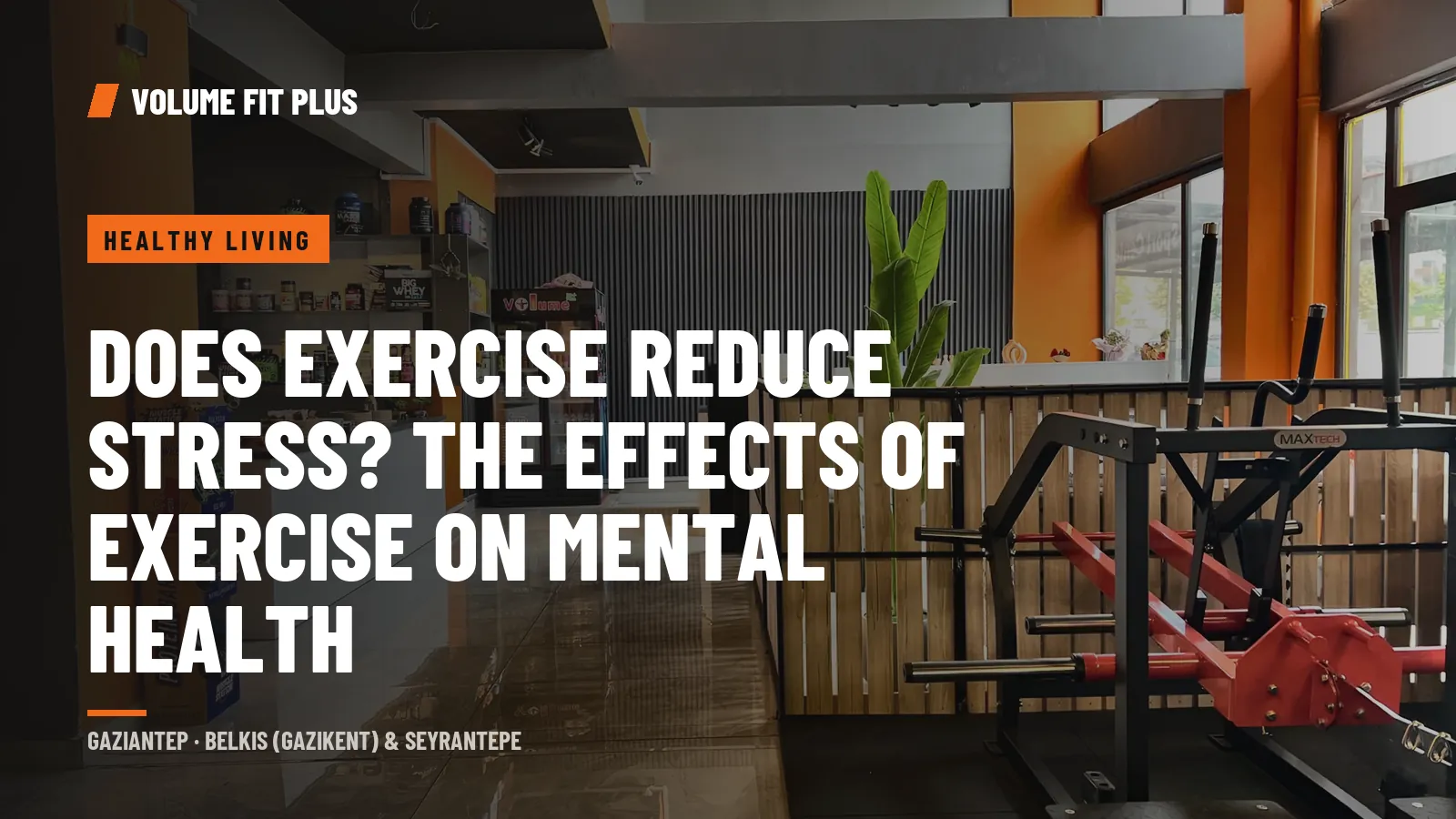
Work, school, traffic, money… The stress of daily life affects us all. For many people, the gym is where they leave the day’s weight behind. That feeling isn’t without reason: health authorities also highlight the positive effects of regular physical activity on mental health.
Contents
How does exercise affect mental health?
The World Health Organization states that regular physical activity helps reduce symptoms of depression and anxiety, supports thinking and learning skills and contributes to overall well-being. The sense of relief during and after exercise is one of the main reasons many people keep at it.
- Mood: feeling better after a workout is a common experience
- Sleep: regular exercise can support sleep quality
- Self-efficacy: reaching small goals boosts your confidence
- Social connection: group classes and the gym environment can reduce feelings of loneliness
Which exercises help manage stress?
Every kind of movement helps; what matters is finding an activity you enjoy and can do regularly.
- Cardio: brisk walking, running, cycling
- Strength training: requires focus and takes your mind off daily worries
- Martial arts: bag and pad work can be an effective way to release stress; see our article on starting kickboxing
- Pilates and yoga: calming work focused on breathing and awareness
- Group classes: music-based classes such as Zumba come with a dose of fun
How much and how often?
The general recommendation for adults is at least 150–300 minutes of moderate activity a week. But don’t get hung up on that number at the start: even 20–30 minute workouts a few times a week are a good beginning. Consistency matters more than intensity.
When motivation drops
- Shorten your workout but don’t skip it: even a 15-minute walk counts
- Join a friend or a group class
- Record your progress; looking back boosts your motivation
- Be kind to yourself; not every day has to be your best day
Exercise supports mental health but doesn’t replace treatment. If you’ve had low mood, anxiety or sleep problems for a long time, seek support from a mental health professional or your doctor.
Make time for yourself in Gaziantep
At Volume Fit Plus Belkıs (Gazikent) and Volume Fitness Seyrantepe you can leave the day’s stress behind with fitness, boxing and Reformer Pilates. We’re open until 11 pm on weekdays.
Frequently asked questions
Does exercise reduce stress?
Regular physical activity is reported to help reduce symptoms of stress and anxiety and support mood. The effect can vary from person to person.
What is the best exercise for stress?
The one you enjoy and can do regularly. Cardio, strength training, martial arts and Pilates or yoga can all help in different ways.
Should I train when I’m stressed?
A light to moderate workout often helps. If you’re extremely tired, it may be better to go easier or settle for a short walk.