It’s possible to keep training while fasting during Ramadan, but you need to get the timing and intensity right. The answer to “When should I exercise during Ramadan?” depends on your goal, your energy and your daily routine.
Contents
Option 1: Before iftar (light training)
The advantage of a light to moderate session 30–60 minutes before iftar is that you can eat and drink straight afterwards. But because you’ve gone without water all day, you should avoid intense, long workouts at this time.
- Light cardio, walking, stretching and mobility
- Short, low-volume strength work
Option 2: After iftar (more intense training)
For most people, training 1.5–2 hours after iftar, once digestion has partly finished, is the most effective option. Your body has taken in energy and fluids, so it’s a good time for strength training or more intense classes. Being able to drink water while you train is a big advantage too.
Option 3: Before suhoor
Some people prefer a short workout before suhoor. This option isn’t for everyone, as it can disrupt your sleep routine.
Training intensity during Ramadan
Ramadan is generally a time for maintaining your fitness rather than chasing personal records. Reducing your training volume a little and prioritising sleep and recovery is a wise approach.
Eating at suhoor and iftar
At suhoor
- Protein sources such as eggs, cheese and yoghurt
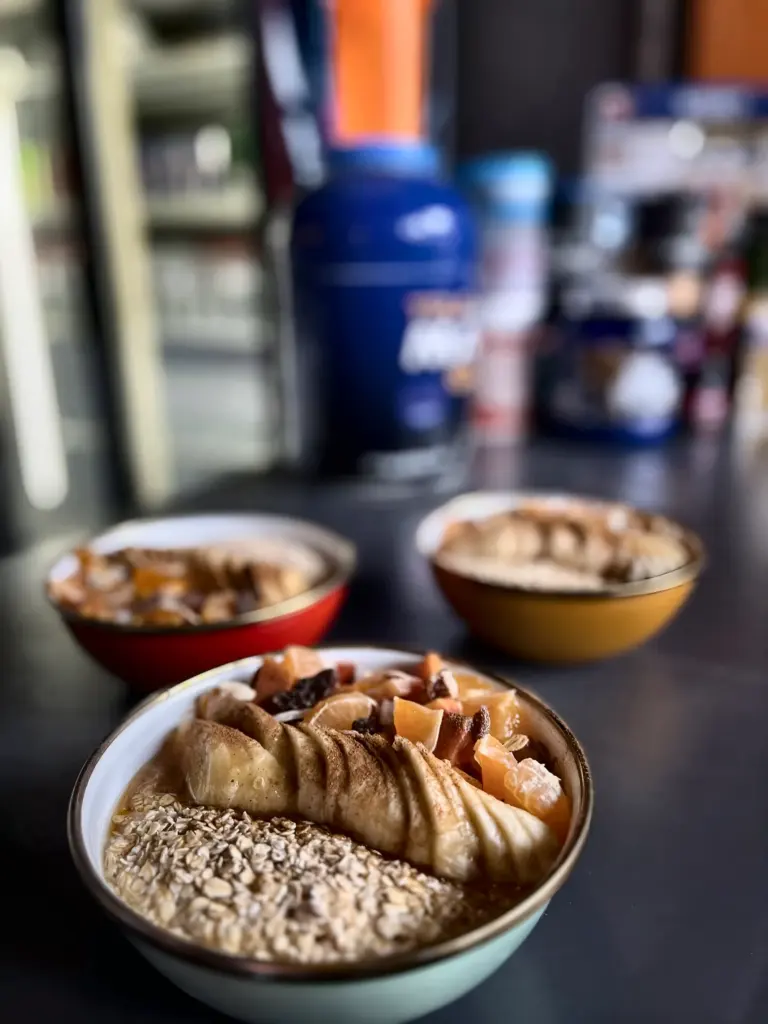
- Slowly digested carbohydrates such as oats and wholegrain bread
- Plenty of water; avoiding very salty and very sugary foods reduces thirst
At iftar
- Start with water and a date or soup, then take a short break
- Follow with a balanced plate of protein (meat, chicken, fish, pulses), vegetables and carbohydrates
- Have dessert in a small portion, at a different time
Drink water gradually over the hours between iftar and suhoor rather than all at once. For hydration, see our article how much water should you drink a day?
If you have a chronic condition such as diabetes or high blood pressure, or take medication, plan your fasting and exercise together with your doctor. If you feel dizzy, extremely weak or have palpitations, stop training immediately.
Training during Ramadan in Gaziantep
Volume Fit Plus Belkıs (Gazikent) and Volume Fitness Seyrantepe stay open during Ramadan; you can check current opening hours on our contact page or by messaging us. You can get support from a personal trainer for your post-iftar training and from our dietitian for your suhoor and iftar plan.
Frequently asked questions
Is it harmful to exercise while fasting?
Healthy people can train with the right timing and intensity. If you have a chronic condition, talk to your doctor.
Should you exercise before or after iftar during Ramadan?
Light workouts can be done just before iftar, and more intense ones 1.5–2 hours after iftar.
Do you lose muscle during Ramadan?
If you keep training and get enough protein and energy, the risk of muscle loss is reduced. Don’t neglect protein at suhoor and iftar.