Kickboxing is a combat sport that combines punching and kicking techniques and builds both fitness and confidence. Even if you never want to compete, the training on its own is a great workout. Here’s what you need to know before your first class.
Contents
What is kickboxing?
Kickboxing combines boxing techniques (jab, hook, uppercut) with a variety of kicks. There are disciplines with different rules; in some, knees and elbows aren’t used. If you’re curious about how it differs from Muay Thai, read our article what is Muay Thai?
The benefits of kickboxing
- Develops cardio and muscular endurance together
- Builds coordination, reflexes and balance
- Is an effective way to release stress
- Supports discipline and confidence
What happens in the first class?
Classes usually start with a warm-up (skipping, running, mobility). Then come stance, basic punches and kicks, and pad or bag work. The final part includes strength and conditioning work and stretching. Beginners don’t spar in their first classes; technique and control come first.
The equipment you need
- Hand wraps: support your wrists and knuckles
- Gloves: 10–14 oz gloves are usually used for training; ask your instructor
- Shorts and T-shirt: clothes that let you move freely
- Later on: a mouthguard, shin guards and other protective gear for sparring
In your first classes the gym’s equipment may be enough; ask your instructor what you need.
The belt system
At many clubs, progress in kickboxing is tracked with coloured belts. The belt order and grading requirements can vary by federation and club; you usually start with a white belt and work towards black. Your instructor can give you the current details.
If you’re thinking about it for your child, see our guide to martial arts for children and teenagers.
Is your fitness good enough?
You don’t need to be fit to start; your fitness improves with training. Work at your own pace and make sure you rest in the first weeks. Combining fight training with fitness workouts 1–2 days a week speeds up your progress.
If you have a heart, blood pressure or joint condition, talk to your doctor before you start and let your instructor know.
Kickboxing in Gaziantep
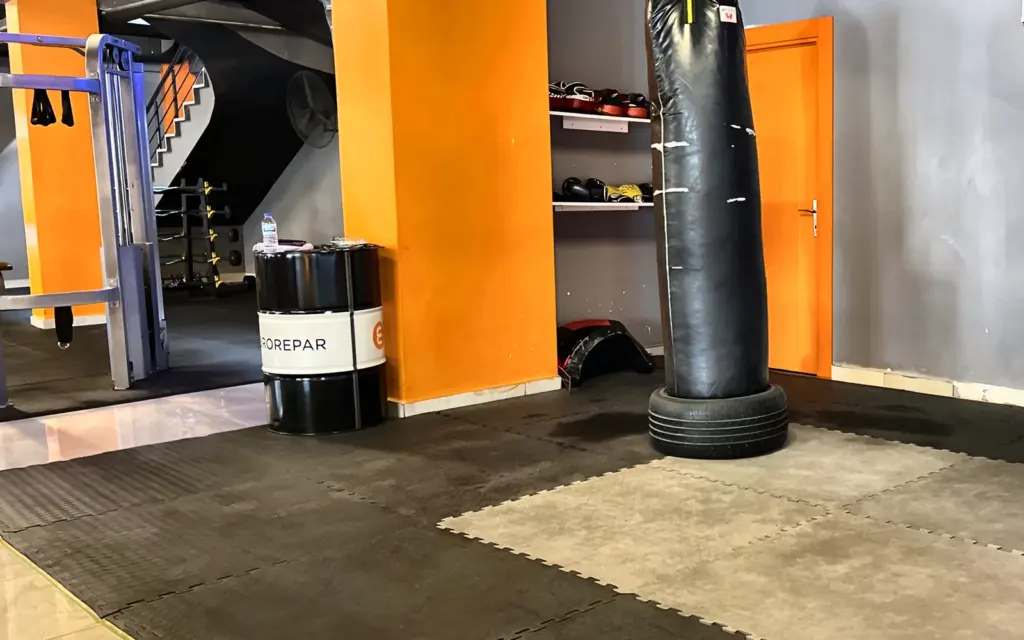
At Volume Fit Plus Belkıs there is a dedicated boxing and kickboxing area with a heavy bag and gloves, and members at Volume Fitness Seyrantepe can use the boxing area too. For details, see our martial arts page.
Frequently asked questions
At what age can you start kickboxing?
There may be classes for different age groups. It’s best to ask the club about the right group and level.
Does kickboxing help you lose weight?
Kickboxing is a high-tempo workout that uses energy. Regular training combined with a balanced diet contributes to weight loss.
Which gloves should I buy for kickboxing?
For training, 10–14 oz gloves are usually preferred. Ask your instructor about the right size for your weight and type of training.