Many parents consider martial arts to channel their child’s energy in the right direction, boost their confidence or reduce screen time. In the right environment and with the right instructor, kickboxing, Muay Thai or wrestling can be a valuable experience that teaches children and teenagers discipline, respect and an active lifestyle.
Contents
How much should children move?
The World Health Organization recommends that children and teenagers aged 5–17 do an average of at least 60 minutes of moderate to vigorous physical activity a day. Martial arts can meet this need in a fun, structured way.
The benefits of martial arts for children
- Discipline and respect: following rules, waiting their turn, respecting their partner and instructor
- Confidence: the confidence that comes from learning and improving a new skill
- Coordination and balance: developing motor skills
- Energy and focus: releasing excess energy in a healthy way
- Social skills: working together with teammates
Safety: Questions parents should ask
- Is there a group suitable for my child’s age?
- Are the instructors experienced in working with children?
- At what stage, and under what rules, is there contact in class?
- What protective equipment is used?
- Are warm-up and stretching part of the class?
A good programme first introduces children to technique, control and conditioning; contact work is introduced gradually and with strict rules.
Which discipline?
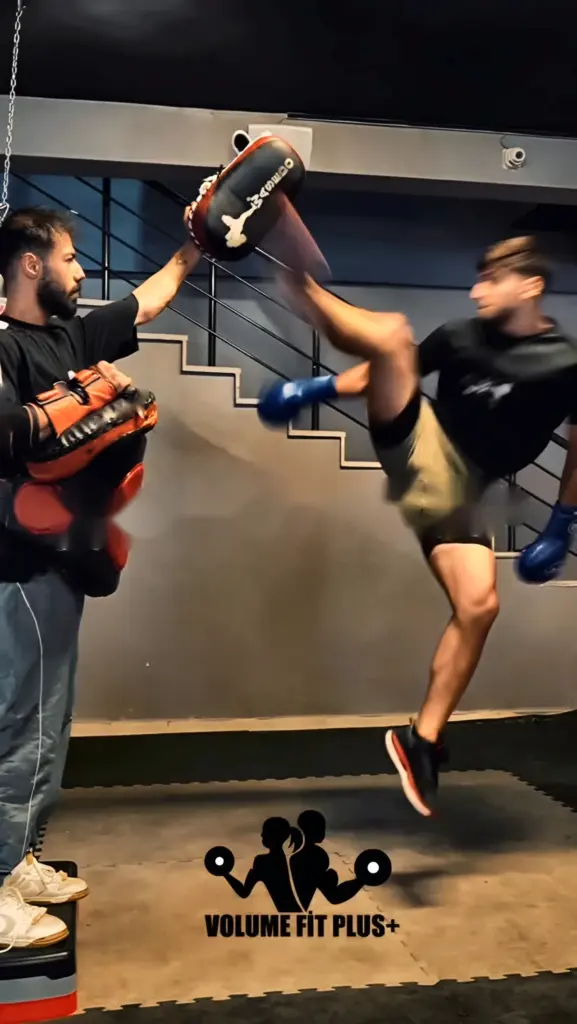
- Kickboxing: coordination and fitness through punching and kicking techniques
- Muay Thai: a wider range of techniques; usually considered suitable for slightly older ages
- Wrestling: balance, strength and body control
If you’re curious about the differences, see our article on Muay Thai vs kickboxing.
Preparing for the first class
- Comfortable shorts and a T-shirt, plus a water bottle
- A light meal 1–2 hours before class
- Talk to your child about the class rules and why it’s important to listen to the instructor
- You may want to watch the first classes; arrange this with the club in advance
If your child has a health condition (such as asthma, a heart condition or a joint problem), talk to their paediatrician before they start and let the instructor know.
Martial arts for children and teenagers in Gaziantep
Volume Fit Plus Belkıs has a boxing and kickboxing area, and Volume Fitness Seyrantepe has a boxing area open to members. We aren’t running group classes at the moment; to find out about suitable options for your child or teenager, see our martial arts page or send us a message.
Frequently asked questions
At what age can children start martial arts?
It depends on the discipline and the club’s groups. Ask the club whether there is a group suitable for your child’s age.
Do martial arts make children aggressive?
In a good programme, martial arts put discipline, control and respect first. Many parents notice that their child manages their energy in a more balanced way.
Which martial art is best for children?
It depends on the child’s interests and age. Kickboxing and wrestling are popular starting points for basic coordination and fitness.