In the first months you get stronger every week, but at some point progress slows down or even stops. This is called a plateau, and it’s a natural stage for everyone who trains regularly. The good news: the way through a plateau is usually not working harder but working smarter.
Contents
1. Keep records and look at the data
If you don’t write down what you lift, how many reps you do and how you feel, you can’t manage your progress. Look at your records for the last 6–8 weeks: where did you stall, which weeks did you feel tired? Defining the problem is half the solution.
2. Use periodisation
Training with the same sets and reps for months limits your body’s ability to adapt. Divide your training into phases: for example 4 weeks of higher reps and volume, followed by 4 weeks of lower reps and heavier loads. This variation creates a new stimulus for both strength and muscle growth.
3. Adjust volume wisely
Weekly sets (volume) are an important factor in muscle growth, but more isn’t always better. Start by adding a few sets a week for the muscle groups that aren’t progressing; if your recovery suffers, cut back elsewhere.
4. Schedule a deload week
Every 4–8 weeks, a deload week in which you clearly reduce the load or volume lets you shed accumulated fatigue. Many lifters find they comfortably beat their old records after a deload.
5. Review your technique and exercise selection
Sometimes the problem isn’t strength but technique. A weak link (for example, the hips rising too early in a squat) limits the whole movement. Strengthen the weak point with accessory work: pause squats, tempo work, different grip widths and so on.
6. Take recovery seriously
- 7–9 hours of sleep a night
- Energy and protein intake that matches your training load
- Stress management and active rest days
Changing your programme won’t fix the problem if sleep and nutrition are off. For details, see our articles on sleep and muscle growth and daily protein needs.
When should you get support?
If you haven’t progressed for a long time, have started to feel pain, or are training for a competition or a test, an outside eye makes a big difference. Our personal trainers can analyse your current programme and prepare a periodisation plan just for you.
Advanced training in Gaziantep
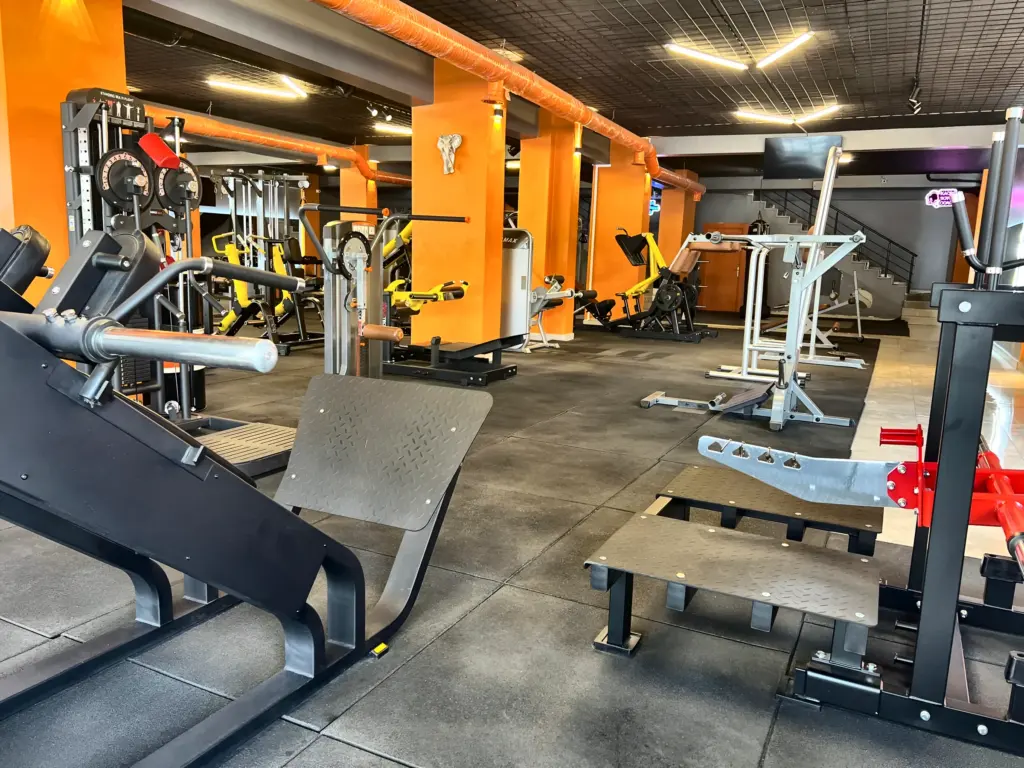
At our Belkıs (Gazikent) gym you can easily follow advanced programmes in around 1,000 m² with a free weights section, plate-loaded machines and cable stations.
Frequently asked questions
How long does a plateau last?
It depends on the person and the cause. Once programme, recovery and nutrition are sorted out, progress often resumes within a few weeks.
Should I not train at all during a deload week?
No. You keep training during a deload week; you just clearly reduce the weight or the number of sets.
How often should I change my programme?
Rather than changing everything often, it’s more effective to keep the core exercises and vary sets, reps and loads in 4–8 week phases.